Microplastics — plastic particles smaller than five millimetres — are now found in every corner of our environment. Formed as larger plastics break apart, these particles contaminate the air we breathe, the water we drink, and the food we eat. According to recent estimates, the average person consumes 39,000 to 52,000 microplastic particles every year, raising growing concerns about their long-term impact on human health.
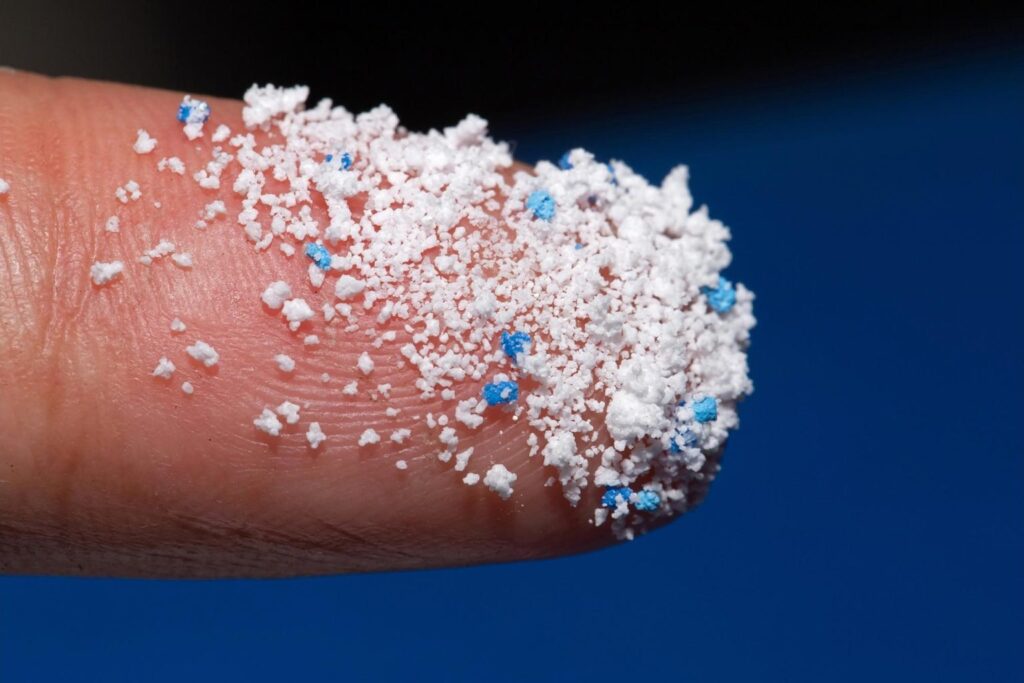
How Microplastics Enter the Human Body
Microplastics can enter the human body through several pathways, making exposure nearly unavoidable. Common sources include:
- Food packaging and containers
- Personal care products such as scrubs, lotions, and toothpaste
- Synthetic clothing fibers released during washing
- Airborne dust particles
As these products degrade, they release tiny plastic fragments that we inhale or ingest. Once inside the body, research shows that microplastics can accumulate in our organs, tissues, and even cells, potentially causing serious health problems.
Scientists have linked microplastics to several biological disruptions, including:
- Cell damage
- Chronic inflammation
- Hormonal imbalance
- Increased risk of heart disease, autoimmune disorders, and cancer
The discovery of microplastics in human blood, lungs, and other vital tissues highlights just how pervasive this contamination has become.
Microplastics and the Brain: What New Research Reveals
One of the most concerning emerging issues is the impact of microplastics on brain health. A study conducted by the University of Rhode Island found that microplastics can infiltrate all systems of the body, including the brain.
In this study, mice were exposed to drinking water containing microplastic particles for three weeks. The results showed:
- Microplastics accumulated in every organ
- Mice displayed dementia-like behaviours
- Older mice were more severely affected
Another study published in Science Advances revealed that circulating microplastics can block capillaries in the brain cortex, reducing blood flow and causing neurological changes. This suggests that microplastics may disrupt brain function by obstructing cells and interfering with local circulation — a dangerous combination for long-term cognitive health.
Why Microplastics Are a Growing Global Health Concern
The rising presence of microplastics in humans shows that this is not just an environmental issue — it’s a major public health threat. Experts warn that immediate action is needed to limit exposure and prevent widespread health problems.
To reduce the risk, global and national authorities must:
- Enforce stricter regulations on plastic production and disposal
- Promote sustainable alternatives to single-use plastics
- Increase public awareness about the dangers of microplastics
- Support research on microplastic toxicity and long-term effects
While individuals can take steps such as avoiding plastic containers, using reusable materials, and reducing plastic consumption, these efforts alone cannot solve the problem.
The Bottom Line: Microplastics Demand Urgent Action
The infiltration of microplastics into our bodies — especially the brain — is a silent and serious threat that cannot be ignored. With growing evidence linking microplastics to inflammation, hormonal disruption, neurological decline, and chronic disease, it is clear that reducing plastic pollution must become a global priority.
Protecting the health of current and future generations depends on taking bold, coordinated action now. The sooner we address microplastic contamination, the better our chances of preventing irreversible harm to human health and the environment.
